North America: 3-Day Architecture Escapes
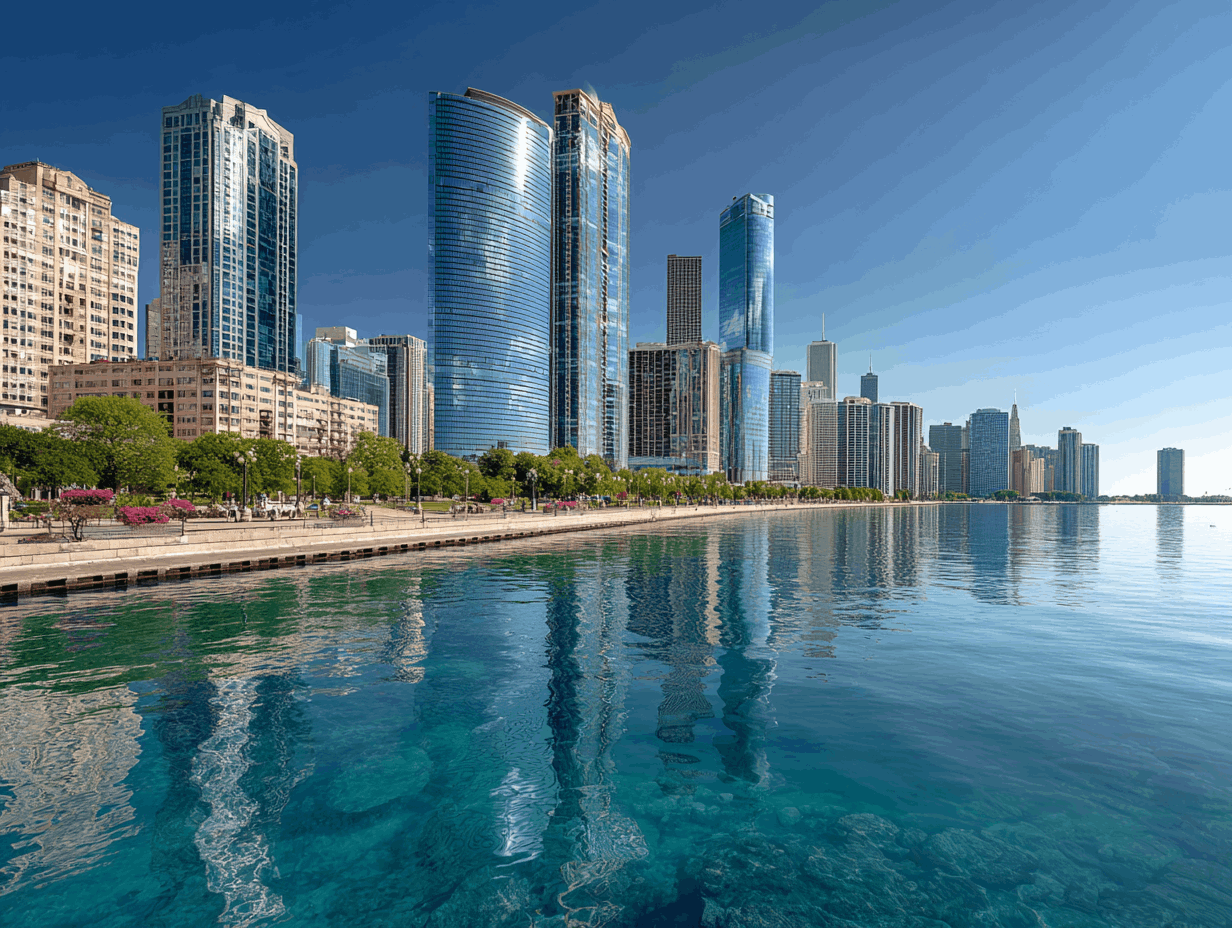
Not every city in North America works for a short architectural trip. Distances are often bigger, layouts less compact, and you can spend half your time just moving between places. But there are cities where design, structure, and urban planning come together in a way that makes a 3-day visit feel focused, not rushed.
This list highlights destinations where architecture is not just something you pass by, it shapes the whole experience.
1. Chicago
Chicago feels built for architecture-focused travel. The city’s skyline is clear, structured, and easy to read even if you’re not an expert. Walking along the river gives you a strong overview of different styles, from early skyscrapers to modern glass towers. Museums and cultural spaces add context, but honestly, just being outside is already enough.
2. New York City
New York is not simple, and definitely not quiet, but it offers one of the most diverse architectural experiences in a short time. Different districts feel like completely separate cities, each with its own style. You won’t see everything in three days, not even close, but if you focus on a few areas it works. It can feel overwhelming, but that’s part of it.
3. Toronto
Toronto combines modern development with older structures in a way that feels quite balanced. The skyline is constantly changing, which makes it interesting even for repeat visits. The city is relatively easy to navigate, though distances can still be a bit longer than expected. Architecture here feels practical, but not boring.
4. Vancouver
Vancouver offers a different kind of architectural experience. It’s less about density and more about how buildings interact with the environment. Glass towers, open spaces, and natural surroundings all blend together. It might feel less intense than other cities on this list, but still very considered.
5. Montreal
Montreal stands out because of its mix of European influence and North American structure. Historic areas contrast with modern buildings, and the transitions between them feel natural, not forced. Walking is the best way to experience it, though some areas are a bit spread out.
6. San Francisco
San Francisco is not the most efficient city for short trips, hills, distances, and traffic can slow you down. But architecturally, it offers strong contrasts. Classic residential streets, modern developments, and unique urban layouts all exist close enough to explore within three days. It just takes some planning, maybe more than you expect.
7. Washington, D.C.
Washington, D.C. is more formal in its architectural identity. Wide avenues, structured layouts, and monumental buildings define the city. It feels intentional, almost controlled in how everything is placed. Museums and institutions add to that impression, though it can feel a bit repetitive after a while.
8. Seattle
Seattle combines modern architecture with a slightly more experimental edge. The city is compact enough for a short trip, and different districts offer variation without requiring long travel times. Weather can affect the experience, sometimes more than you’d like, but the design elements are still there.
9. Boston
Boston’s architecture is less about scale and more about layering. Historic streets, older buildings, and newer additions create a mix that feels organic. It’s not as visually dramatic as some other cities, but it has depth. You notice more the longer you walk, even small details start to stand out.
10. Los Angeles
Los Angeles is probably the least obvious choice here. It’s spread out, car-dependent, and not easy to explore quickly. But if you focus on specific areas, you can still experience significant architectural variety. Modern design, mid-century influences, and experimental spaces are all present, just not in one place.
How to Approach a 3-Day Architecture Trip
The biggest mistake is trying to cover too much. Cities like these are better experienced through selected routes, not full checklists. Pick a few districts, walk as much as possible, and allow time to just observe without rushing.
Also, architecture here is not only about landmarks. Streets, residential areas, and even small public spaces often reveal more than major attractions, though people skip them too often.
Three days won’t make you understand a city completely, but it’s enough to see how it was built, and maybe why.
Have a city in mind but not sure where to start? Send us a quick email and we’ll suggest the best routes, museums, and local highlights tailored to your weekend trip.


Murubu – endless city routes, museum trips, and urban escapes.
Plan smart, explore more, travel better.
© Copyright 2026 Murubu LLC - All Rights Reserved