10 Best Small Museums in Europe
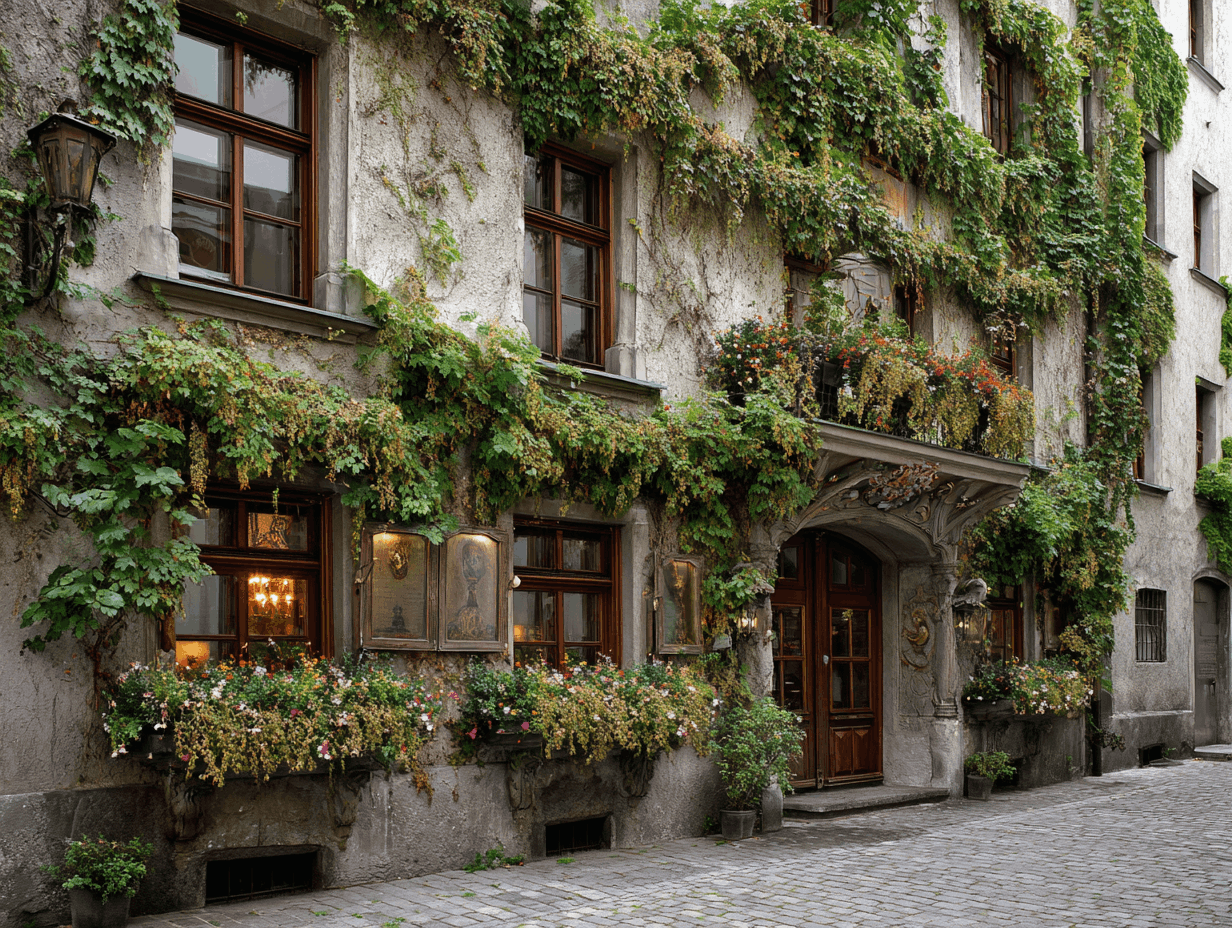
Big museums get most of the attention, but smaller ones often leave a stronger impression. They’re easier to navigate, less crowded, and usually more focused. You don’t feel rushed, and you don’t get that fatigue after a couple of hours. Instead, you actually remember what you saw, which doesn’t always happen in larger spaces.
This list highlights smaller museums across Europe that are worth planning a short trip around, or at least adding to your route.
1. Paris – Musée de l'Orangerie
This museum is compact but very carefully arranged. The space itself feels calm, almost minimal, and the experience is built around a few key works rather than a huge collection. You don’t need much time here, maybe even less than you expect, but it stays with you.
2. Amsterdam – Museum Van Loon
Set inside a historic canal house, this museum feels more like entering a private space than a public one. Rooms are preserved in a way that shows how people actually lived, not just what they collected. It’s quiet, sometimes almost too quiet, but that adds to the atmosphere.
3. Florence – Museo Bardini
This is one of those places people often skip, which is a bit strange. The collection is varied, and the way it’s displayed feels personal, not overly formal. The building itself adds a lot to the experience, though it can feel slightly uneven at times.
4. Vienna – Sigmund Freud Museum
This museum is not large, and not overly visual either. It focuses more on context, ideas, and history. You move through it slowly, reading, thinking, not just looking. It’s different from traditional museums, which makes it stand out.
5. Berlin – Bröhan Museum
Dedicated to decorative arts and design, this museum offers a very specific perspective. It’s not crowded, and the layout is easy to follow. The collection is detailed without feeling overwhelming, though it may not appeal to everyone.
6. Barcelona – Frederic Marès Museum
This museum feels slightly unusual. The collection is extensive but displayed in a way that feels almost personal, like someone’s private archive. It’s not always easy to understand at first, but that’s part of the experience.
7. Copenhagen – Designmuseum Danmark
Focused on design, this museum is clean, structured, and easy to explore. Exhibitions are clear and well-organized, without too much extra information. It’s a calm experience, maybe even a bit too controlled for some visitors.
8. Prague – Museum Kampa
Located near the river, this museum combines modern art with a quieter setting. It’s not large, but the space is used well. You can go through it without rushing, which makes a difference.
9. Lisbon – Museu Nacional do Azulejo
This museum is very specific, focused on traditional tiles, but much more interesting than it sounds at first. The displays show both artistic and historical aspects, and the building itself adds to the experience.
10. London – Sir John Soane’s Museum
This is one of the most distinctive small museums in Europe. The space is dense, filled with objects arranged in a very particular way. It can feel a bit overwhelming despite its size, but also very memorable.
Why Small Museums Work So Well
They give you time. You don’t need to rush, you don’t need to plan breaks every hour. The experience feels more personal, even if it’s not designed that way.
Also, smaller museums often take more risks in how they present things. Not everything is perfectly explained, and that can actually make the visit more interesting, though not always easier.
A good small museum doesn’t try to show everything. It shows just enough to keep you thinking after you leave.
Have a city in mind but not sure where to start? Send us a quick email and we’ll suggest the best routes, museums, and local highlights tailored to your weekend trip.


Murubu – endless city routes, museum trips, and urban escapes.
Plan smart, explore more, travel better.
© Copyright 2026 Murubu LLC - All Rights Reserved